Adapting Soft Skills Microlearning Across Cultures
We explore cultural localization strategies for soft skills microlearning scenarios, transforming quick lessons into contextually resonant experiences. Discover how subtle language choices, visual signals, and power dynamics shape learner trust and behavior. Expect practical frameworks, evidence-backed tips, and tiny, testable experiments. You’ll find stories from global rollouts, missteps that taught hard lessons, and reusable checklists. Join us, contribute your experiences, and help build a respectful, scalable approach that meets people where they are, without diluting clarity, empathy, or business impact.

Listening Between the Lines: Cultural Nuance in Scenarios
Great scenario design starts with attentive listening. In high-context settings, meaning hides in silence and shared assumptions; in low-context settings, clarity lives in explicit words and visible structure. Translate more than language: translate expectations, rhythm, and what is politely left unsaid. Calibrate tone, stakes, and who speaks first. When we swapped a blunt refusal for a gentle redirection in one region, completion rose, and learners replayed the scene to study subtle phrasing that protected dignity while driving outcomes.
Craft two versions of the same interaction: one where cues are layered through pauses, ellipsis, and shared history, and another where intent is stated directly with transparent reasoning. Ask learners to predict reactions in each world. Debrief how misunderstandings grow when assumptions travel. Use local reviewers to confirm what feels natural, respectful, and believable, then align assessment prompts with those communication realities to avoid penalizing culturally accurate choices.
In hierarchical cultures, the safest feedback might arrive through intermediaries, stories, or data rather than blunt critique. Model respectful escalation ladders and permission-seeking language. In egalitarian settings, show peer-to-peer challenge framed by shared goals. Provide branching that honors both realities, never forcing learners into risky behaviors for their context. Include role titles, meeting rituals, and seating arrangements that subtly signal authority, clarifying why a message lands differently depending on who delivers it.
Language Beyond Translation
Word-for-word conversion can break trust. Pragmatics, register, and cultural metaphors carry invisible weight that shapes perceived respect and competence. Build microlearning scripts with local idioms, humor that travels, and clear calls to action that map to social norms. Reduce jargon, but keep professional credibility. Maintain inclusive forms of address and appropriate honorifics. Validate technical terms with subject-matter experts and community representatives, ensuring every sentence sounds like it belongs—and belongs to the learner’s world.
A joke that lands in one market can insult in another, while a farming metaphor may resonate where agriculture shapes identity. Create equivalence, not literal mirrors. Replace sports references with popular local pastimes or proverbs. Pilot-test comedic timing and cultural references with small groups. Keep a change log documenting why each phrase evolved. Invite learners to share alternatives, turning the course into a living glossary of resonant, respectful expressions that enrich future iterations.
Names, titles, and pronouns communicate safety. Provide flexible templates that adapt to usted/tu, keigo levels, or preferred honorifics. Model email openings that balance warmth and professionalism. Offer branching where learners select the formality level appropriate to audience, setting, and relationship history. Include audio examples so learners hear subtle gradients of respect. Encourage teams to create local phrase banks and to role-play tricky openings, practicing until courtesy feels authentic rather than scripted.
Plain doesn’t mean cold. Edit sentences for clarity, but add warmth through greetings, gratitude, and shared purpose. Avoid euphemisms that hide accountability or idioms that confuse newcomers. Provide side-by-side before-and-after examples explaining each editorial decision. Add captions and transcripts with localized punctuation norms. Teach learners to write concise follow-ups that invite response rather than demand it. Celebrate brevity that still feels human, creating emails, chats, and updates people actually read—and answer.

Designing Micro-moments that Travel Well
Microlearning thrives on brevity, rhythm, and usefulness. Across cultures, delivery constraints vary: data costs, device access, commute patterns, and meeting rhythms all shape what feels feasible. Design for offline access, minimal taps, and visual-first clarity. Space tiny practice opportunities across days, synchronized with local workweeks and holidays. Offer adaptive branching that respects norms without stereotyping. When a two-minute clip replaced a ten-minute lecture, completion soared on low-bandwidth routes—and discussion quality improved in live sessions.


Local advisory councils and SMEs
Recruit advisors representing language, role, identity, and geography. Compensate them fairly and publish engagement guidelines to prevent tokenism. Schedule review sprints with clear decision rights and deadlines. Capture dissent in annotations so future teams learn from ambiguity. Rotate membership to avoid gatekeeping. Treat councils as creative partners, not compliance checks, celebrating contributions in release notes and community briefings. This stewardship builds credibility and dramatically improves scenario believability and ethical integrity.

Behavioral metrics that matter
Move beyond completion toward behaviors that predict outcomes: kinder handoffs, faster conflict recovery, more specific feedback requests, clearer meeting notes. Instrument scenarios to capture choice rationales, not just selections. Pair analytics with pulse surveys asking how safe, respectful, and useful the content felt. Present dashboards to local leaders and learners, inviting interpretation and next experiments. When numbers spark shared curiosity rather than judgment, improvement accelerates without sacrificing psychological safety.
Inclusion, Accessibility, and Psychological Safety
Respect starts with representation and equitable access. Feature diverse names, voices, and leadership arcs without stereotyping. Follow WCAG for color contrast, captions, and keyboard navigation. Consider literacy levels and neurodiversity by offering multimodal pathways. Design emotionally sensitive scenes with content warnings, opt-outs, and debrief prompts. Normalize help-seeking and bystander support behaviors. When inclusion is baked into scripts, not bolted on, learners feel agency and courage to practice vulnerable skills in realistic, supportive environments.

Toolkits for local facilitators
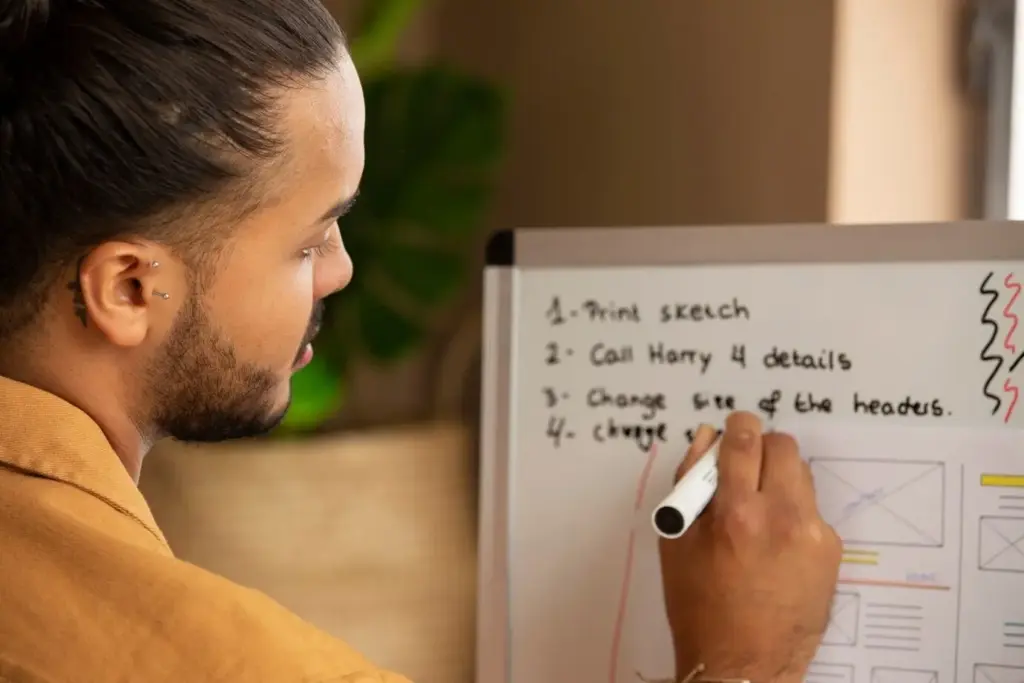
Provide scenario notes, sample debrief questions, cultural watchouts, and adaptable timing plans. Include response rubrics that value intent and context, not just specific wording. Offer slide templates and worksheet variants for online and in-person use. Record quick demo videos showing how to frame delicate moments. Create a private channel for facilitators to swap tactics and iterate collectively, turning each cohort into a source of living wisdom for the next.
Peer storytelling and moderated forums

Stories spark transfer. Host short, moderated threads where learners share moments they tried a new phrase or approach, whether it worked, and what they’d tweak. Curate highlights into micro case studies. Encourage respectful disagreement across regions to surface nuance. Keep community guidelines visible and enforced. Recognition badges can celebrate generosity without creating unhealthy competition. Over time, these archives become a searchable library of culturally grounded troubleshooting advice.
Sustainable content governance

Create a governance model that clarifies who proposes changes, who approves, and how evidence informs decisions. Maintain a versioned repository of scripts, visuals, and localization notes. Track legal, ethical, and brand considerations alongside learner impact. Budget for maintenance, not just creation. Publish an annual retrospective celebrating contributions and lessons learned. This institutional memory protects quality, preserves context, and frees creative energy for brave, learner-centered experimentation.
All Rights Reserved.